
I arrived in Lisbon on a drizzly March morning with a two-week plan and a return ticket. Six months later, I'm still here, and that return ticket sits unused in my drawer — a reminder of how wrong I was about what I needed.
I came to Portugal running from burnout, seeking an escape from corporate deadlines and the relentless pace of London life. What I found was something entirely different: a city that taught me the art of being present, and a lifestyle that showed me what it means to truly live somewhere rather than just visit.
The First Two Weeks
My initial plan was typical tourist territory. I'd mapped out all the major landmarks — Belém Tower, São Jorge Castle, the famous Jerónimos Monastery. I scheduled my days with military precision, determined to "see everything" before heading home.
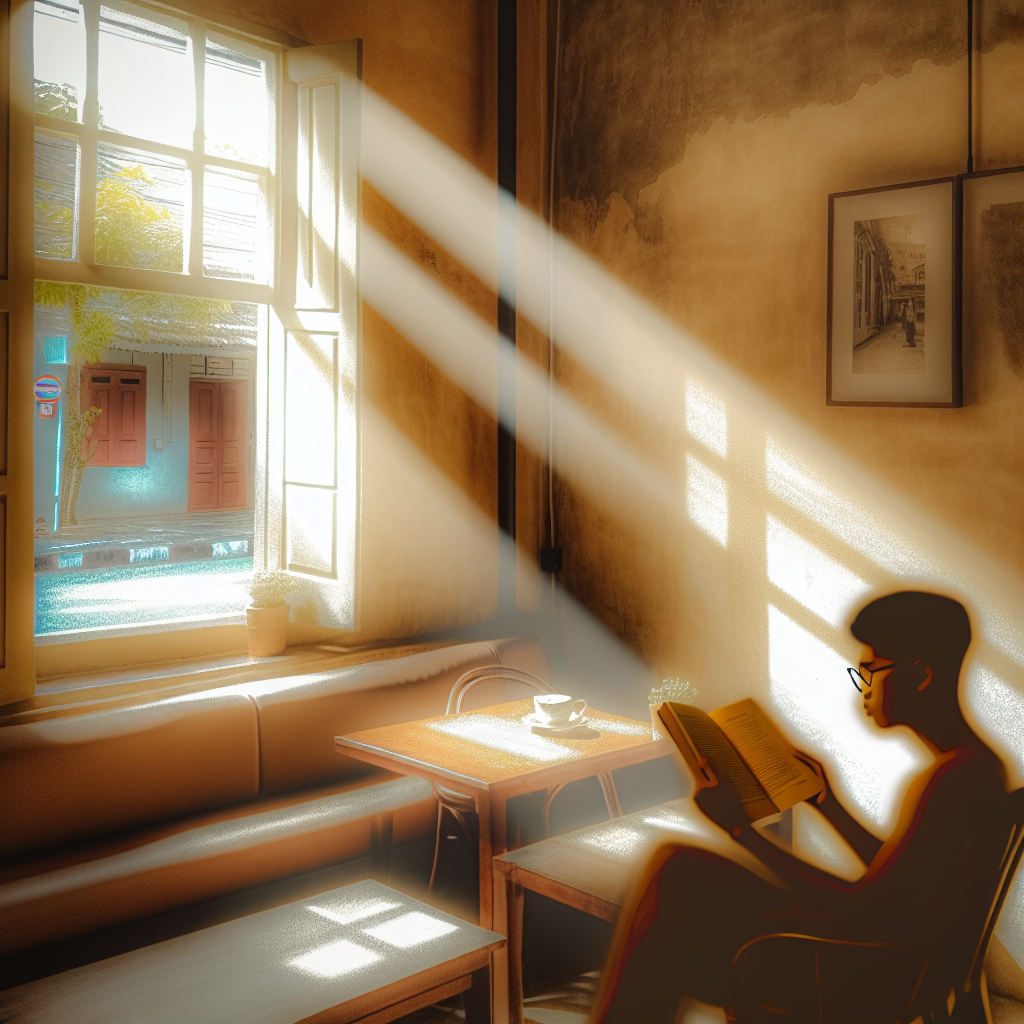
But Lisbon had other plans. On day three, I stumbled into a small café in Alfama while lost (genuinely lost, not Instagram-lost). The owner, an elderly man named António, spoke no English. I spoke no Portuguese. Yet somehow, over terrible coffee and excellent pastéis de nata, we managed an hour-long conversation using hand gestures, laughter, and the few words we could piece together.
When I left, António gestured that I should come back tomorrow. Same time. So I did. And the next day. And the next. Soon, it became my morning ritual — coffee at António's, practicing Portuguese, listening to him tell stories I only half understood but fully felt.
Choosing to Stay
By the end of week two, I realized I knew more about one tiny corner of Lisbon than most guidebooks could teach. I knew that the baker on the corner made the city's best bread but only if you arrived before 9 AM. I knew which trams the locals actually used and which existed solely for tourists. I knew that Tuesday afternoons were when Dona Maria watered her plants, creating a temporary waterfall down the tiled steps of my favorite alleyway.
These weren't the kinds of experiences you could tick off a list. They were the fabric of daily life, and I was starting to weave myself into it.
I called my boss. Extended my leave. Found a small apartment to rent monthly. Canceled that return ticket.
Building a Life, Not Taking a Trip
The next months taught me the difference between traveling and living. I stopped performing for Instagram. Stopped rushing to see "everything." Instead, I built routines that made me feel grounded even thousands of miles from what I used to call home.
My mornings became sacred: coffee at António's (where I was now greeted by name), followed by a walk along the Tagus, then a few hours of reading in Eduardo VII Park. I enrolled in Portuguese classes — not the tourist crash courses, but real ones, with local students and a teacher who corrected my grammar with fierce affection.
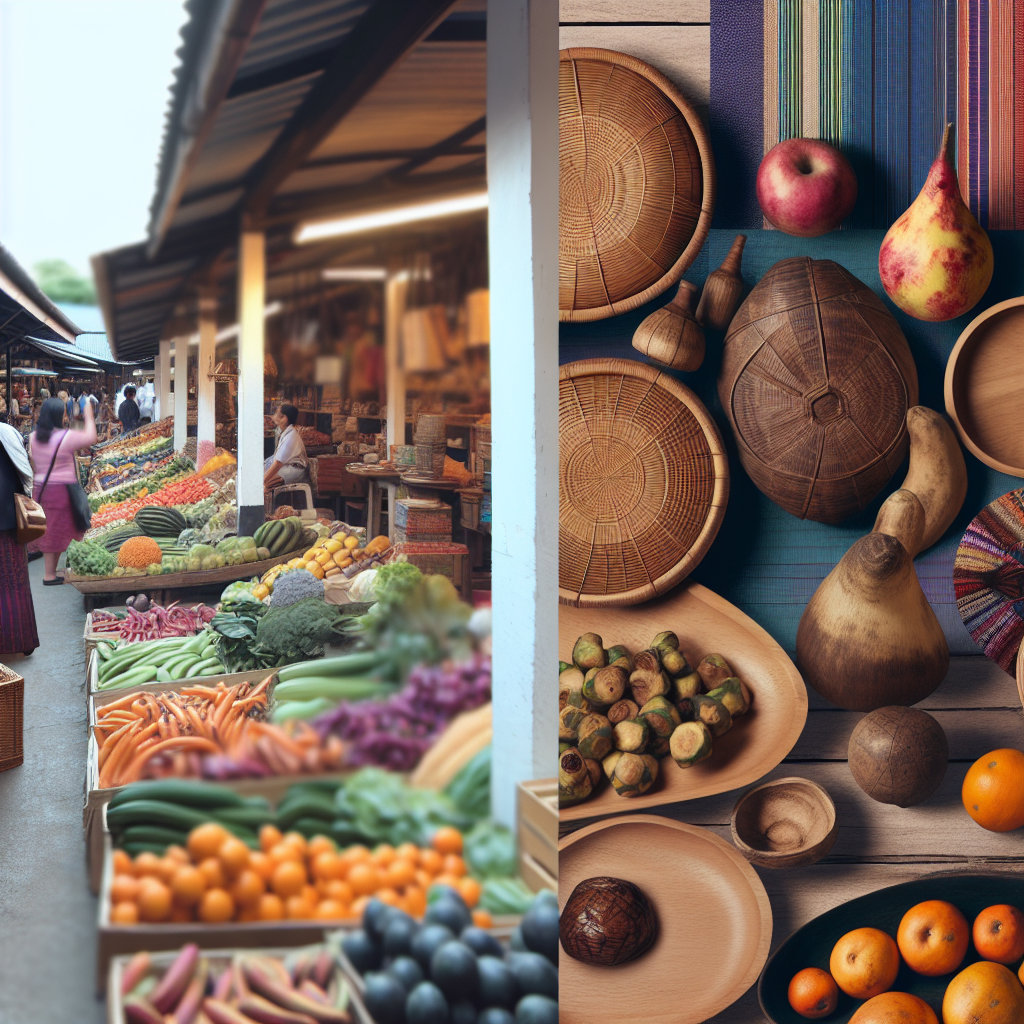
I made friends slowly. Real friends, not hostel acquaintances you promise to visit but never do. There was Catarina, my Portuguese tutor, who invited me to family dinners where I learned more about Portuguese culture from one meal than a month of museums could teach. There was James, a British expat who'd been here ten years and became my guide to ex-pat life's challenges and rewards.
What Slow Travel Taught Me
Staying in one place transformed how I experienced it. I witnessed seasons change — watched spring blossoms give way to summer heat, saw how the city breathed differently in each season. I learned which neighborhoods came alive after dark and which fell beautifully silent. I discovered that some of Lisbon's best moments happen after sunset in small fado houses where tourists rarely venture.
More importantly, I learned about myself. In the stillness that slow travel provides, I had space to think about what I actually wanted from life. The burnout I was running from wasn't just about work — it was about living a life that didn't align with my values. I'd been moving so fast I never questioned where I was going.
Lisbon gave me permission to slow down. To sit at cafés for hours without guilt. To take entire days where the only plan was wandering. To say no to attractions that didn't interest me, even if they were "unmissable."
The Decision to Return (But Changed)
Six months in, I'm preparing to return to London. But I'm not the same person who left. I'm bringing back more than souvenirs and photos. I'm bringing back a different way of being in the world.
I've learned that home isn't necessarily where you were born or where you work. It's where you build routines that nourish you, where people greet you by name, where you understand the rhythm of the streets. For six months, that was Lisbon.
But more importantly, I've learned that I can create that feeling anywhere. The magic wasn't just Lisbon — it was the permission I gave myself to live rather than perform, to prioritize depth over distance, quality over quantity.

António cried when I told him I was leaving. We can communicate properly now — my Portuguese is far from perfect, but it's functional. He told me his door is always open. That I'm family now. That Lisbon will be waiting when I come back.
And I will come back. But now I know I can take this approach anywhere. The next time I travel, I won't pack my days with landmarks. I'll leave space for serendipity. I'll look for my António, my neighborhood café, my regular bench in the park. I'll stay long enough to see the seasons change, to be greeted by name, to accidentally become part of the fabric of a place.
That's what slow travel taught me: the best journey isn't about how many places you see. It's about how deeply you see them. It's about trading the anxiety of missing out for the joy of being present. It's about understanding that sometimes, the most transformative travel experiences come not from moving constantly, but from staying still long enough to truly arrive.
Maria Santos is a travel writer and former marketing executive who discovered slow travel after a burnout sent her searching for a different way to live. She now splits her time between London and Lisbon, helping others discover the transformative power of traveling slowly.